
Russin lumber market in 2024: How forest lease rate changes Influence pricing
Where is the forest industry "train" headed in 2024? It is rushing forward on the rails of change, carrying in its cars new opportunities and fresh forecasts. Let's try to understand whether this track leads to a horizon of new prospects or turns into a dead end of uncertainty and unpredictability!
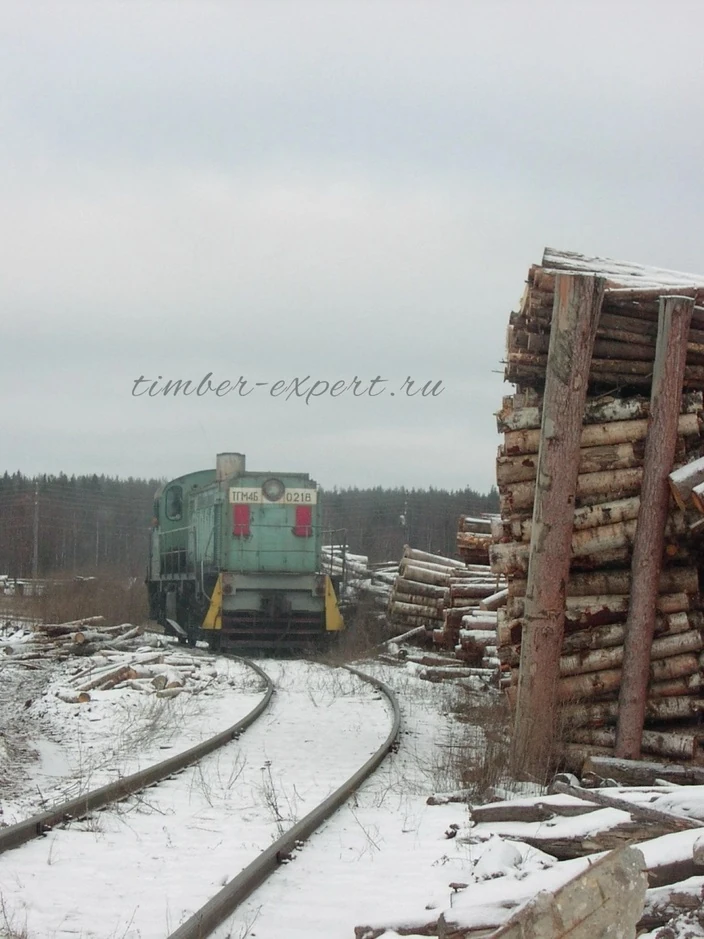
The magic of economics or how sawtimber resisted the price tsunami.
Understanding the lumber market stability in 2023.
As we close the chapter on 2023, a pivotal question looms large in the minds of industry experts and consumers alike: What's driving the lumber market's surprising stability amidst an era of economic volatility? This year, as we witnessed commodities like gasoline, diesel fuel, and even everyday items like eggs surge in prices, lumber’s relative steadiness stands out as an enigma.
The unseen forces behind lumber's price stability.
Contrary to popular belief, this stability in lumber prices isn’t just a product of the market's natural ebb and flow. A deeper analysis reveals that a critical component of this phenomenon has been the off-season timber shortages. These shortages have played a crucial role in maintaining a balance in the market, particularly during the August and September months, where we observed minor price fluctuations in sawn timber averaging around 10%.
Siberian Larch and dry planed board: Case studies in price consistency.
Specifically examining the Siberian larch and dry planed board markets, it becomes evident that the stability in pricing has been a strategic decision by certain industry players, including our company, to maintain price levels. This decision contrasts with the sporadic price increases, which can often be attributed to marketing strategies rather than genuine market dynamics.
Forest lease rates: a game changer in Timber Industry.
Looking ahead, it’s imperative to consider not just current lumber prices but also the evolving dynamics like new forest lease rates. These rates are set to significantly impact the industry, altering the landscape for all stakeholders involved.
Russia's forestry sector: facing the tide of change in 2024.
Come 2024, the Russian forestry sector is bracing for a substantial hike in forest land rent, estimated to be between 50-100%. This shift is poised to redefine industry norms and could potentially alter the future of lumber production and pricing.
Regional responses to new forest lease rates.
The response to these impending changes has been swift and significant. Regional heads from areas like Vologda, Arkhangelsk, Novgorod, and Karelia have appealed for a delay in implementing these rates. Notably, the Vologda Oblast's acting governor, Georgy Filimonov, has voiced concerns about the potential repercussions on enterprise operations and industry development plans.
Socio-economic impact and supportive measures.
The hike in rents is anticipated to affect enterprise profitability and investment, especially in regions heavily reliant on the forest industry. To counteract these effects, regional authorities have initiated supportive measures like compensating transportation costs and simplifying transit through Eurasian Economic Union countries.
Vologda Oblast: a case study in forestry excellence.
Vologda Oblast, with 81% forest cover, stands as a testament to the timber industry's resilience and growth. Over the past decade, the region has seen a 16% increase in processing activities, contributing significantly to Russia's timber, plywood, chipboard, and wooden house production.
The changes on the horizon for the lumber market demand a nuanced and well-informed approach. As the industry grapples with these upcoming shifts, the focus must remain on fostering a sustainable and robust timber industry, vital for Russia's economic fabric.
Will Lumber prices Go Up?
The future of lumber prices: analysis and forecasts in the face of new challenges.
As we embark on a new year, the lumber industry finds itself at a crossroads, facing new challenges and opportunities that will undoubtedly shape its future. In this comprehensive analysis, we will explore the various factors that are poised to influence lumber prices in the coming months and years, shedding light on the intricacies of this vital industry.

Understanding the fundamental costs of sawn timber.
At the heart of the lumber market lies a complex web of factors that determine the cost of sawn timber. It's crucial to understand that the price of lumber is not solely dependent on forest rent but also encompasses the expenses of harvesting, processing, drying, sawing, and planing. As we anticipate an increase in rents, it's important to consider how these changes might ripple through to the final prices.
Anticipating market shortages and their ripple effects.
The potential rise in operational costs could lead some businesses to scale down production or cease operations, as witnessed in 2022. Such a reduction in supply, coupled with strong demand, could trigger a surge in prices. However, a concurrent fall in demand could dampen these price hikes, creating a complex market scenario.
The impact of imported machinery and components on lumber prices.
Many woodworking companies rely heavily on imported machinery and components, such as German-engineered equipment. With import prices on the rise amidst a shifting economic landscape, the cost of lumber production is likely to increase, influencing final market prices.
Forecasting lumber market trends for 2024.
Looking into 2024, it's not straightforward to predict an immediate spike in lumber prices from January 1st. Traditionally, the months of February and March are marked by stability in the market. During this period, manufacturers and businesses often roll out attractive promotions and discounts. This trend has been observed in previous years, with notable offers on high-grade Siberian larch and special deals for bulk buyers.
However, as the season progresses, the market dynamics shift. An increase in purchasing activity by both foreign and domestic customers typically leads to a rise in lumber prices. Thus, for those planning construction or renovation projects, timing is a critical factor.
Afterword: deciphering the realities of lumber pricing.
The discourse around lumber pricing often evokes strong reactions, with some perceiving price increases as a result of producers' greed. However, it's essential to recognize that these price shifts are not arbitrary but are reflections of broader economic trends. Factors ranging from forest lease costs to fuel and transportation expenses play a significant role in shaping prices.
It's important to approach lumber pricing with an understanding of its multifaceted nature. Behind every cubic meter of lumber lies not just raw material but also labor, quality control, and a myriad of economic factors that are often beyond the control of manufacturers.
Siberian Larch: more than just timber!
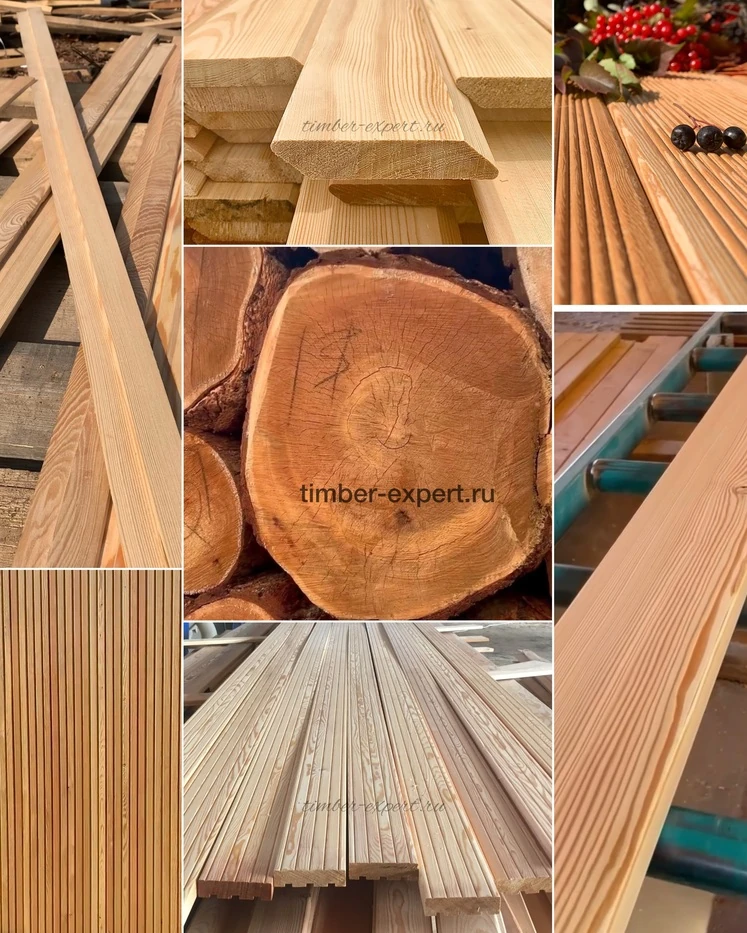
Expensive, you say... but let's delve a bit deeper into the true value of Siberian larch. Beyond its price tag, this remarkable wood offers unmatched qualities for decking and cladding. It's renowned for its superior resistance to rot, pests, and moisture, easily surpassing traditional materials like spruce and pine.
But there's more to it!
Consider its fire resistance – while spruce quickly succumbs to flames, Siberian larch shows remarkable resilience, burning slowly and smoldering, which can be a crucial safety factor in fire-sensitive applications.
The strength and load capacity of Siberian larch are also noteworthy. Structures built from spruce can bear only a fraction of the weight that Siberian larch can handle. Even pine, often praised for its durability, falls behind, capable of supporting significantly less load than larch. This makes Siberian larch a wise choice for anyone seeking durability, safety, and elegance in their construction projects.
In conclusion, choosing Siberian larch is an investment in quality, safety, and durability. It represents a commitment to not just a building material but to a standard of living that prioritizes longevity and aesthetic value. As we navigate the evolving landscape of the lumber market, understanding these nuances will be key to making informed decisions and adapting to the future challenges and opportunities that lie ahead.
Therefore, as they say in Russia,
"Prepare the sled in summer and the cart in winter!"
Woodworking company and timber supplier,
Timber Expert
So don't say we didn't warn...


