
Why Unannounced Entry Is Not Allowed at Timber Expert
Access Policy for Timber Expert Wood Processing Facility
A message for partners, clients and visitors who believe that “I’m here, open the gate” works everywhere.
1. “Hello, it’s me” is not an access protocol — it’s a misunderstanding
Every industry has its myths.
In woodworking, the most persistent one is the belief that a large-scale manufacturing facility operates like a showroom:
“I’m here. Open the gate. I want to take a look.”
This phrase works when visiting a neighbour.
It does not work at a location where:
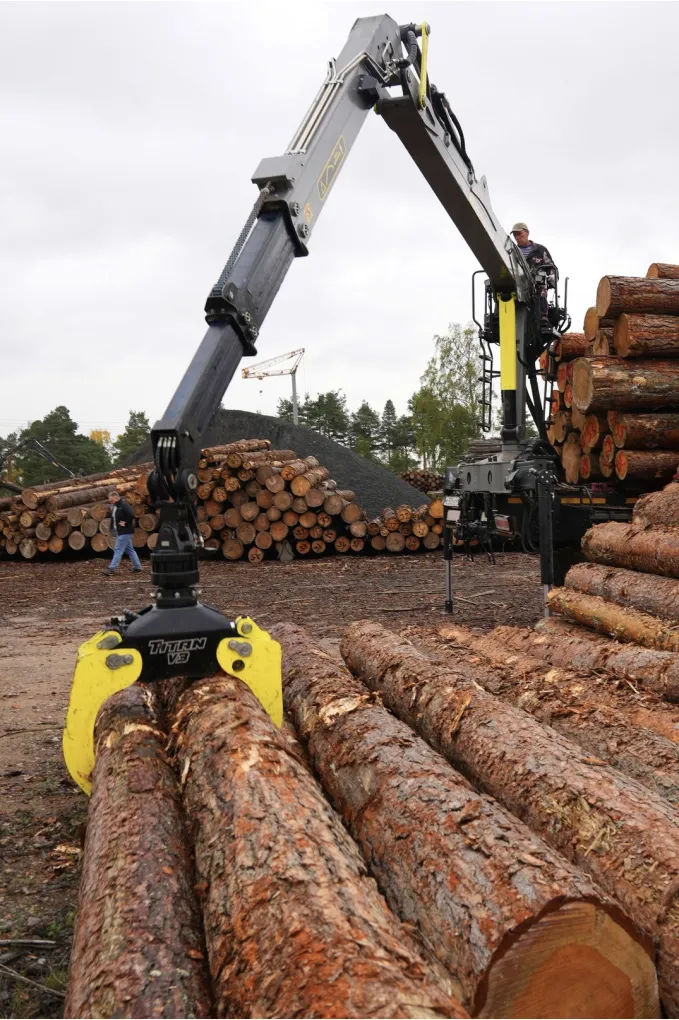
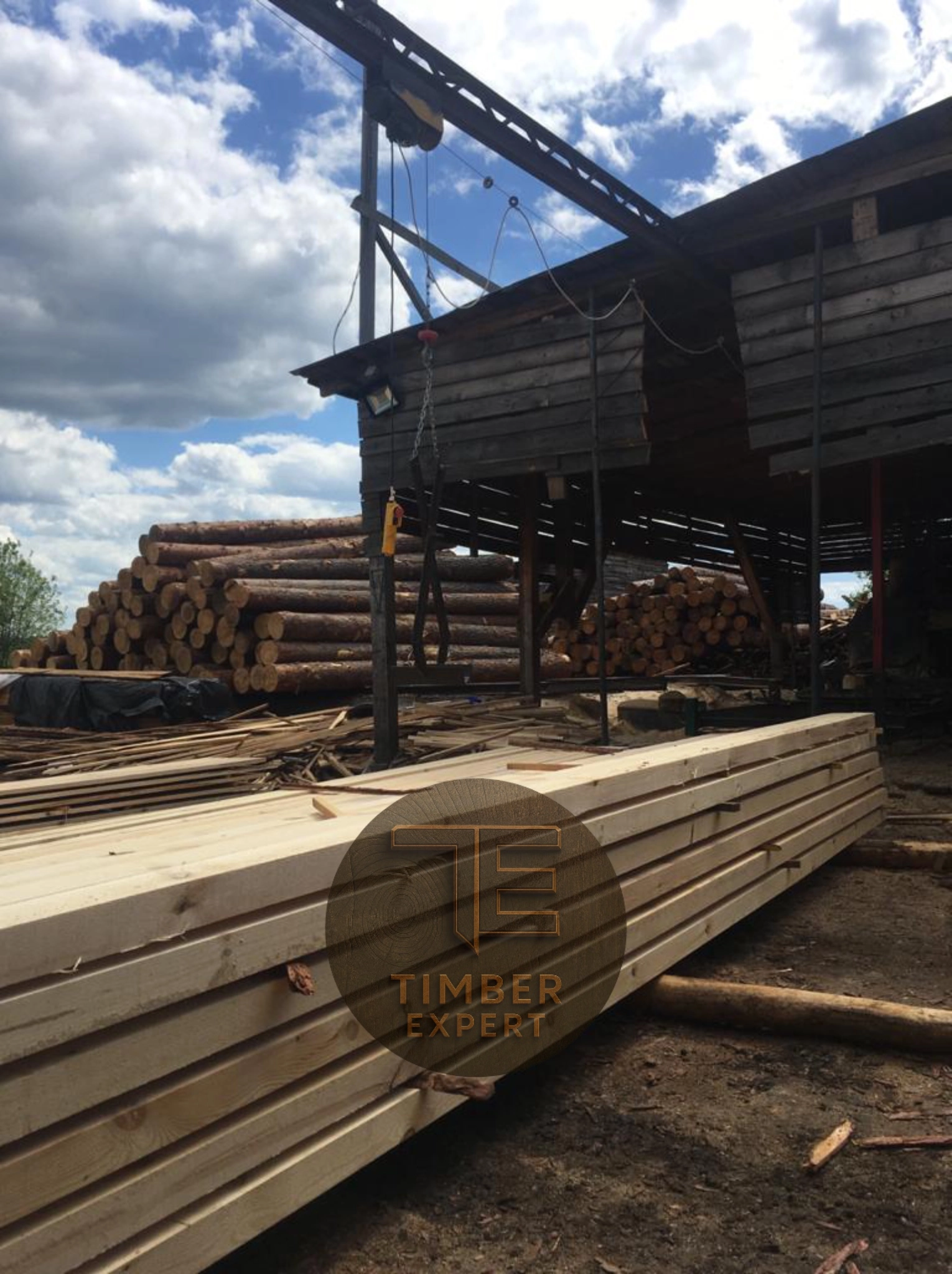
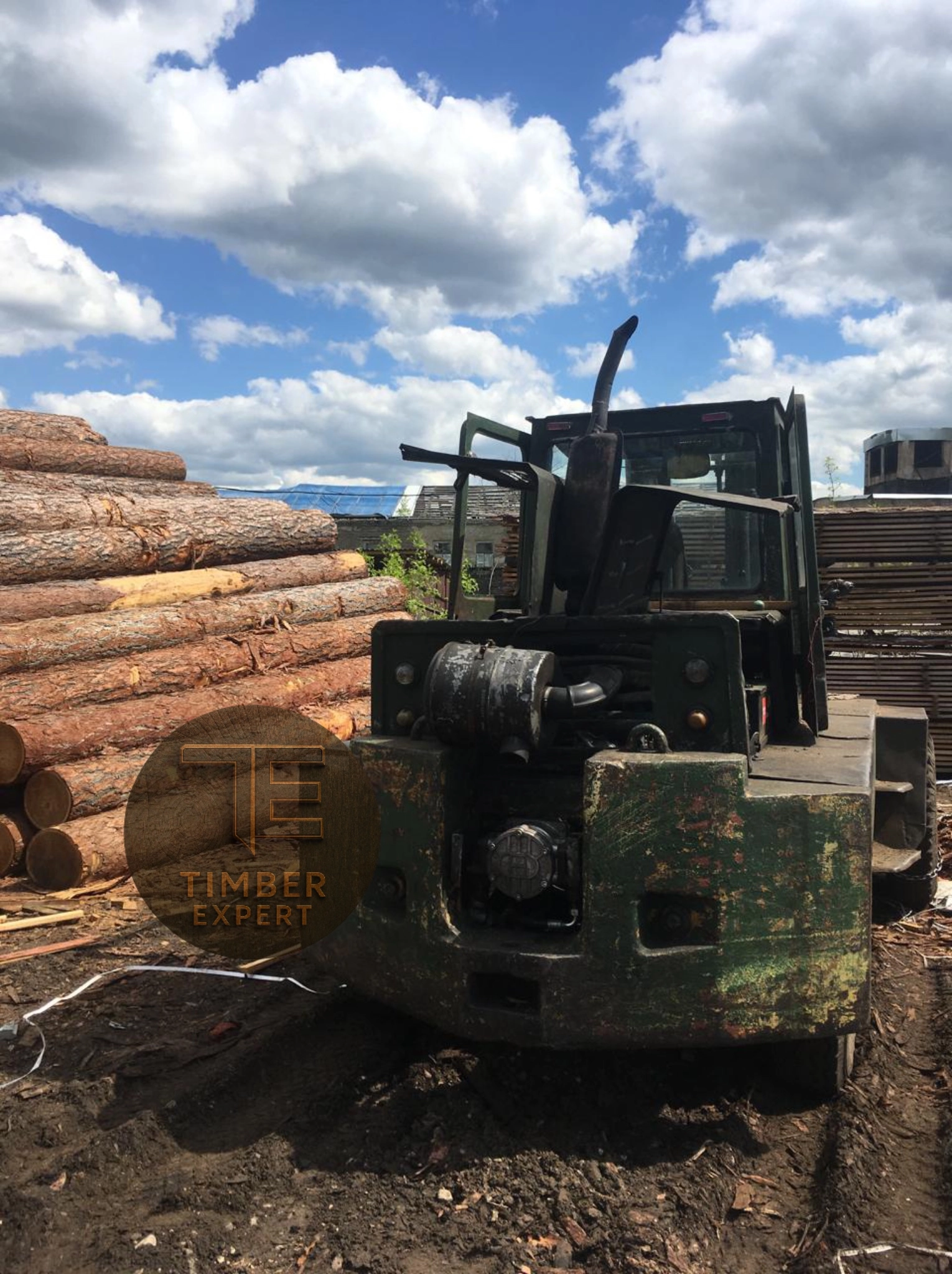
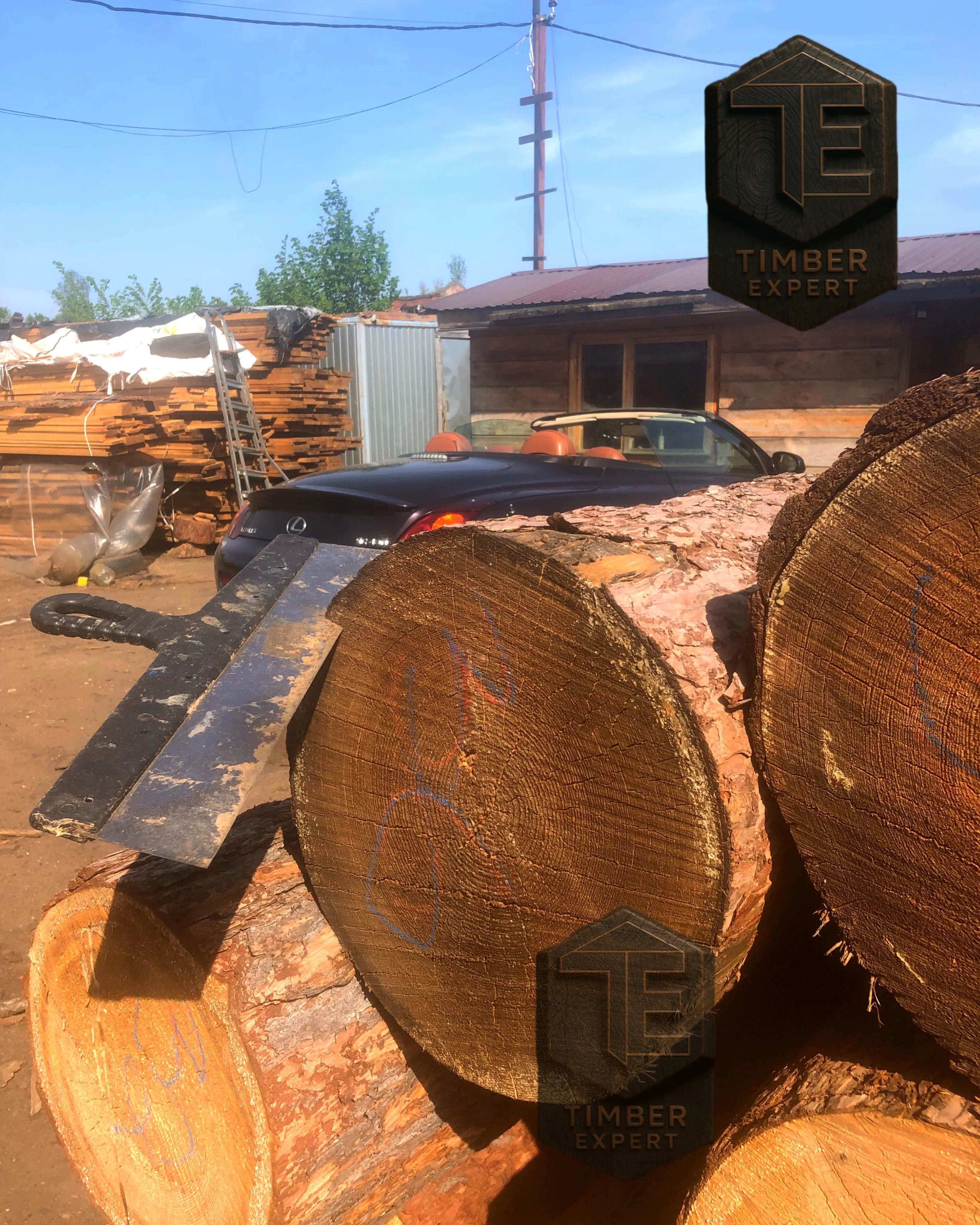
– Siberian larch logs weigh between 600 kg and 1 ton,
– loaders move in reverse without expecting pedestrians,
– the production line never pauses “so someone can look around”,
– every unexpected presence equals operational and legal risk.
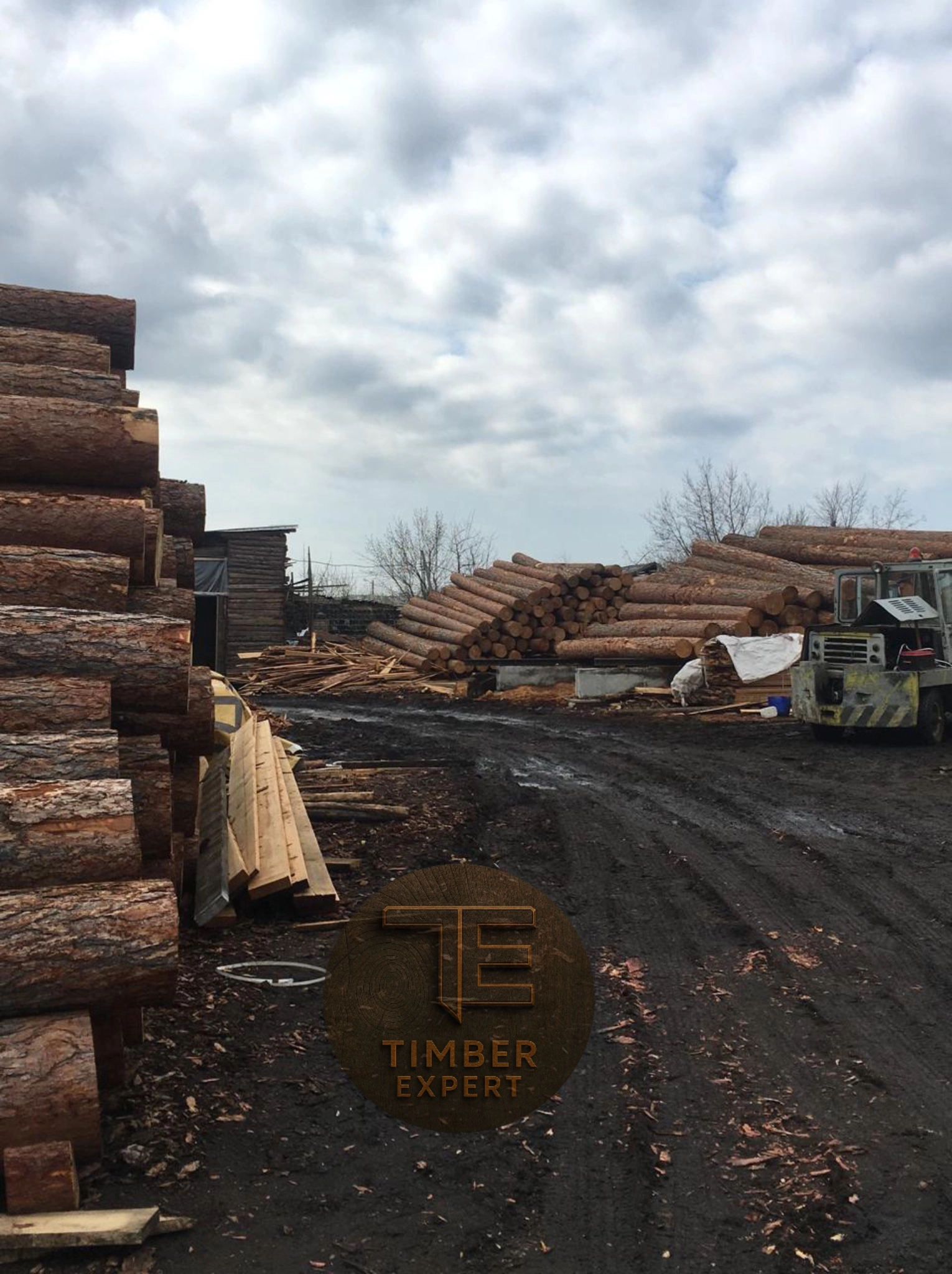
A wood-processing plant is not a walk-in environment.
It is a regulated industrial zone.
Jack Welch once said:
“Control your own destiny or someone else will.”
In manufacturing, this translates bluntly:
If you don’t manage risk — the log will.
2. This is not a market, not a mall, not a showroom — and certainly not TikTok
Social media shows woodworking as carefully edited aesthetics:
clean boards, soft lighting, quiet ambience.
Reality is different:
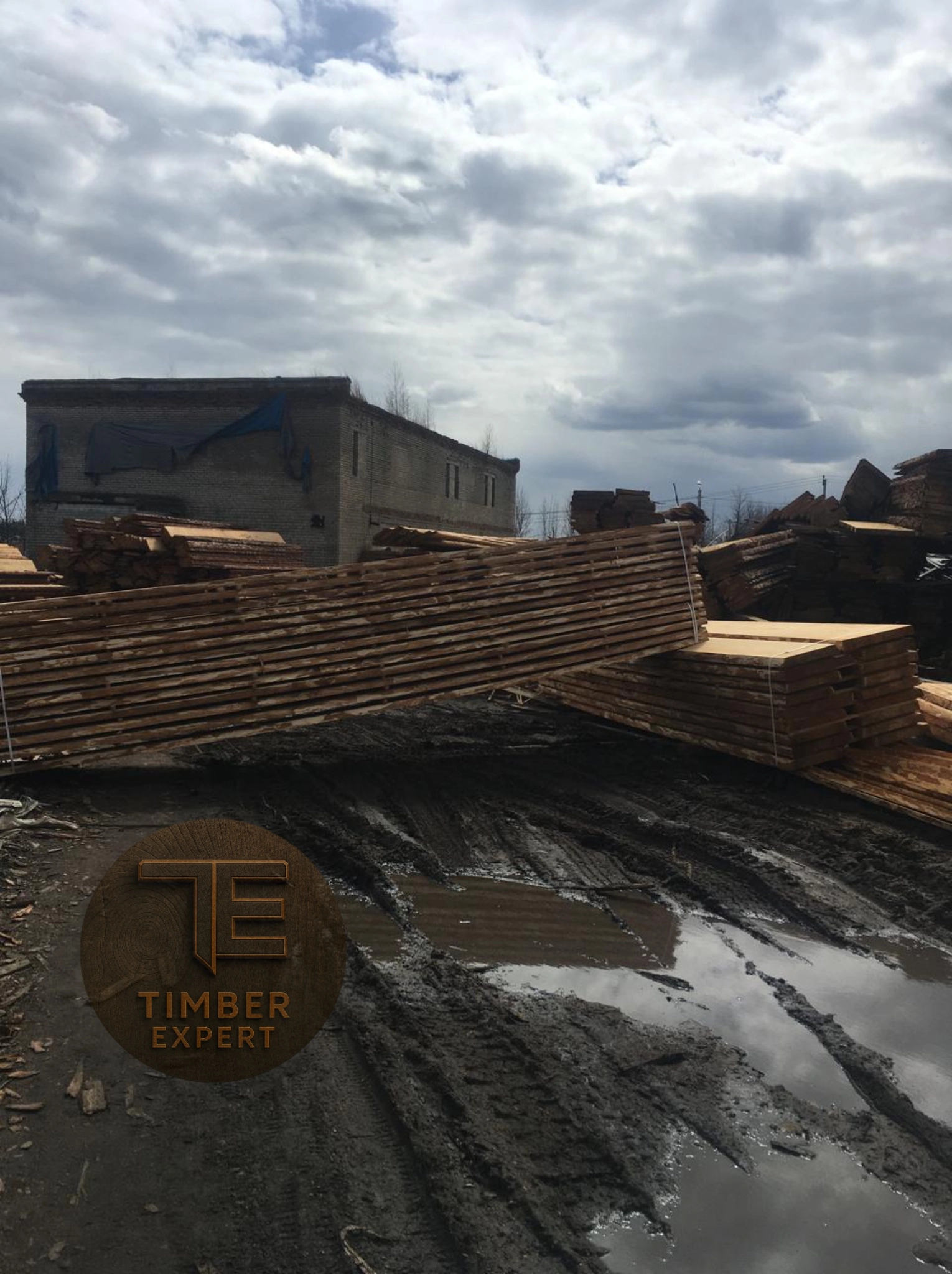
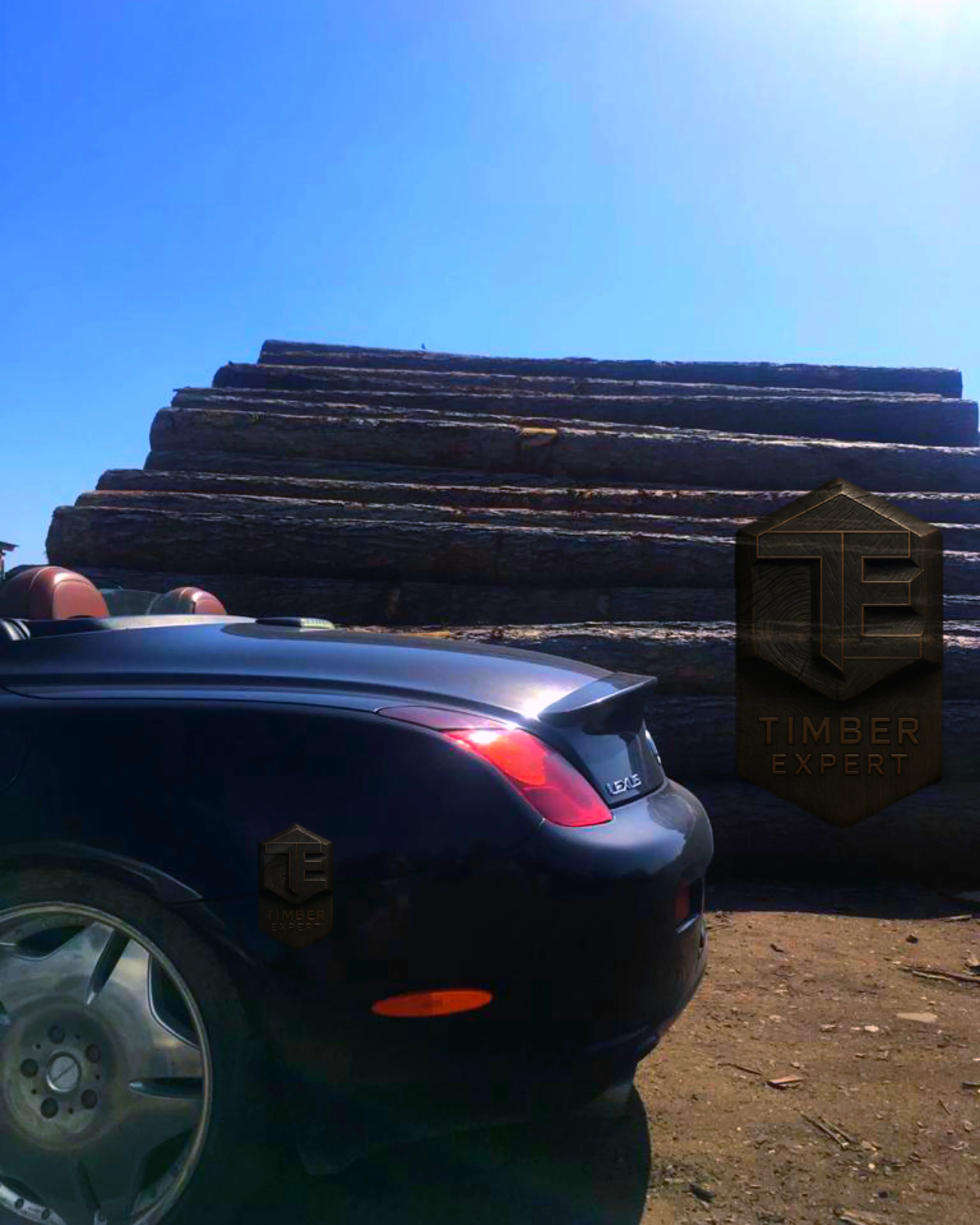
– a log weighing nearly a ton falls without asking who you are,
– raw material unloads from cranes regardless of “client” or “visitor”,
– band saws operate continuously,
– forklifts do not negotiate right-of-way based on titles,
– wood dust is an explosive dust-air mixture under global industrial safety norms.
This is not:
– a DIY market,
– a consumer store,
– a boutique showroom,
– a place to “drop by and see”.
It is an industrial facility with controlled access, scheduling, and safety procedures.
The old saying applies universally:
“Forewarned is forearmed.”
Safety begins not at the gate — but in mindset.
3. The law is clear: refusing entry is compliance — allowing entry is liability
Timber Expert operates under Russian federal regulations applicable to hazardous industrial facilities:
– Civil Code Article 1079: wood-processing is a source of increased danger; the enterprise is liable even if a person enters without permission.
– Labor Code Articles 209 & 212: untrained individuals must not be present in production zones.
– Federal Law 116: mandatory controlled access.
– Fire Safety Rules (PPR-1479): unauthorized presence is a violation.
– Administrative Code: fines up to 200,000 rubles and potential suspension.
Unauthorized entry is not initiative.
It is legal exposure — for everyone involved.
General George S. Patton once said:
“Courage is fear that has said its prayers.”
But industrial safety is not about courage. It is about discipline.
4. “Who are you? Goodbye.” — not rudeness, but physics and procedure
This well-known meme became popular for a reason:
it reflects a universal truth of industrial environments.
Entry is determined by:
– prior arrangement,
– documented access,
– safety briefing,
– escort by authorized personnel.
This is not a museum.
Not a showroom.
Not a walking area.
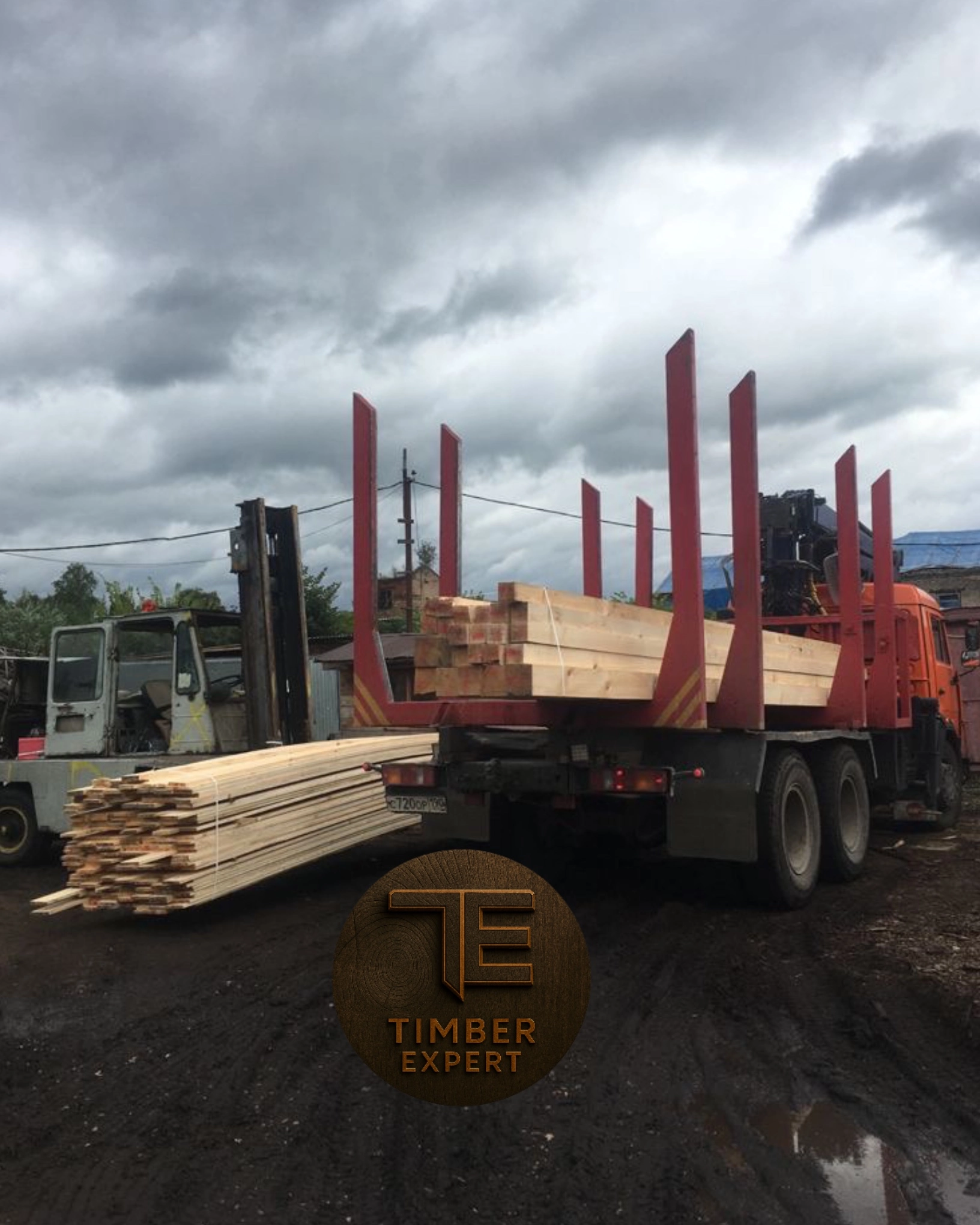
It is a place where metal, machinery and raw timber move in coordinated sequences —
not according to a visitor’s emotional impulse.
5. Arriving without notice does not make you a client
Real clients do not “just show up”.
They schedule.
They respect time — their own and ours.
Those who arrive with “I’m here, open the gate” are usually:
– bloggers,
– random curious visitors,
– people who “just want to see”,
– competitors scouting under the guise of clients.
Niels Bohr famously said:
“The opposite of a correct statement is a false statement.
But the opposite of a profound truth may well be another profound truth.”
In our context:
People believe they understand woodworking because they’ve seen a video.
Reality shows otherwise.
6. Do not approach the river if you don’t know the depth — and do not approach the gate without permission
Every industry has its “internet experts”.
Woodworking has thousands.
Many arrive claiming:
“It's dusty here.”
“It’s not like in the videos.”
“It should look cleaner.”
“Why isn’t it like Pinterest?”
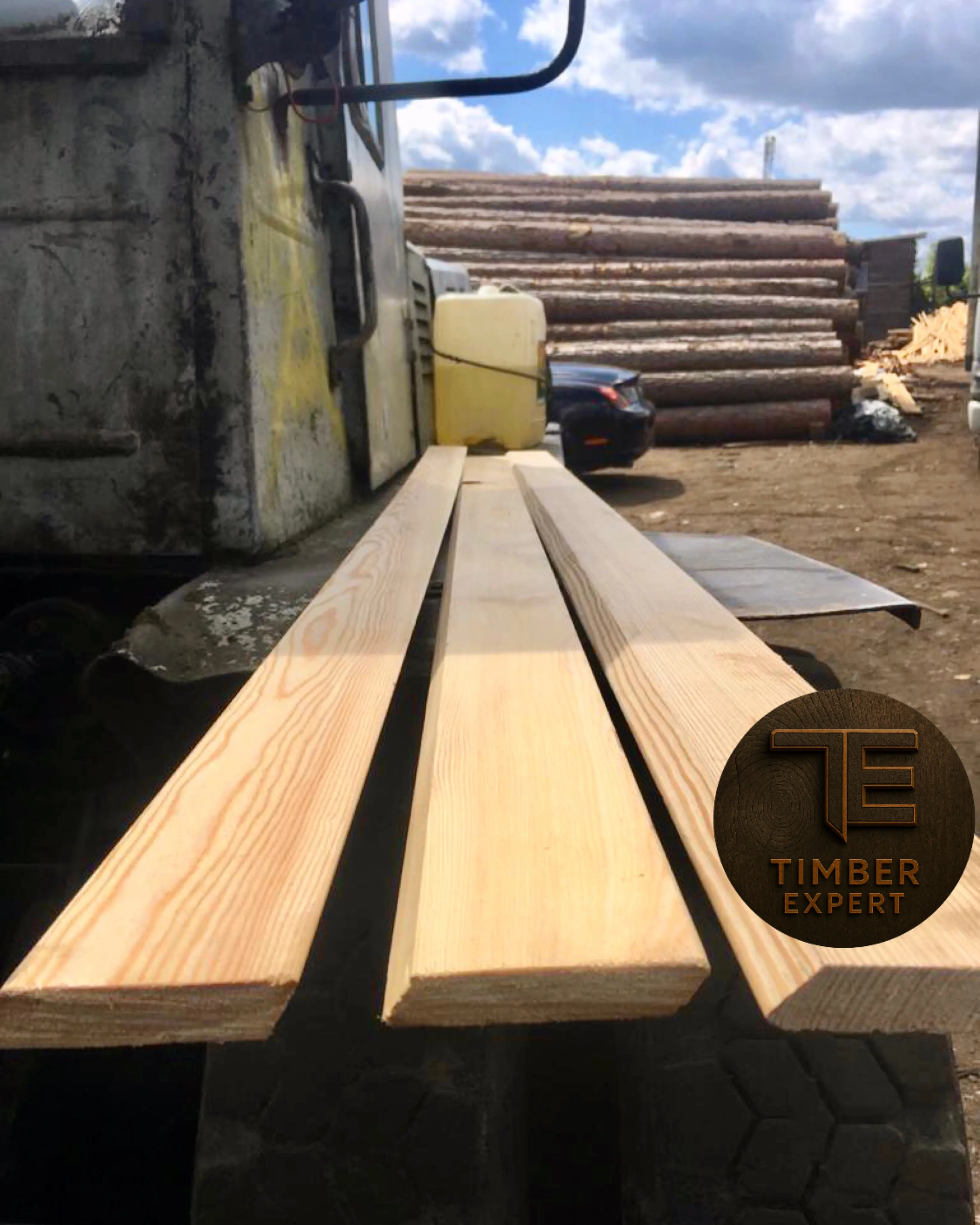
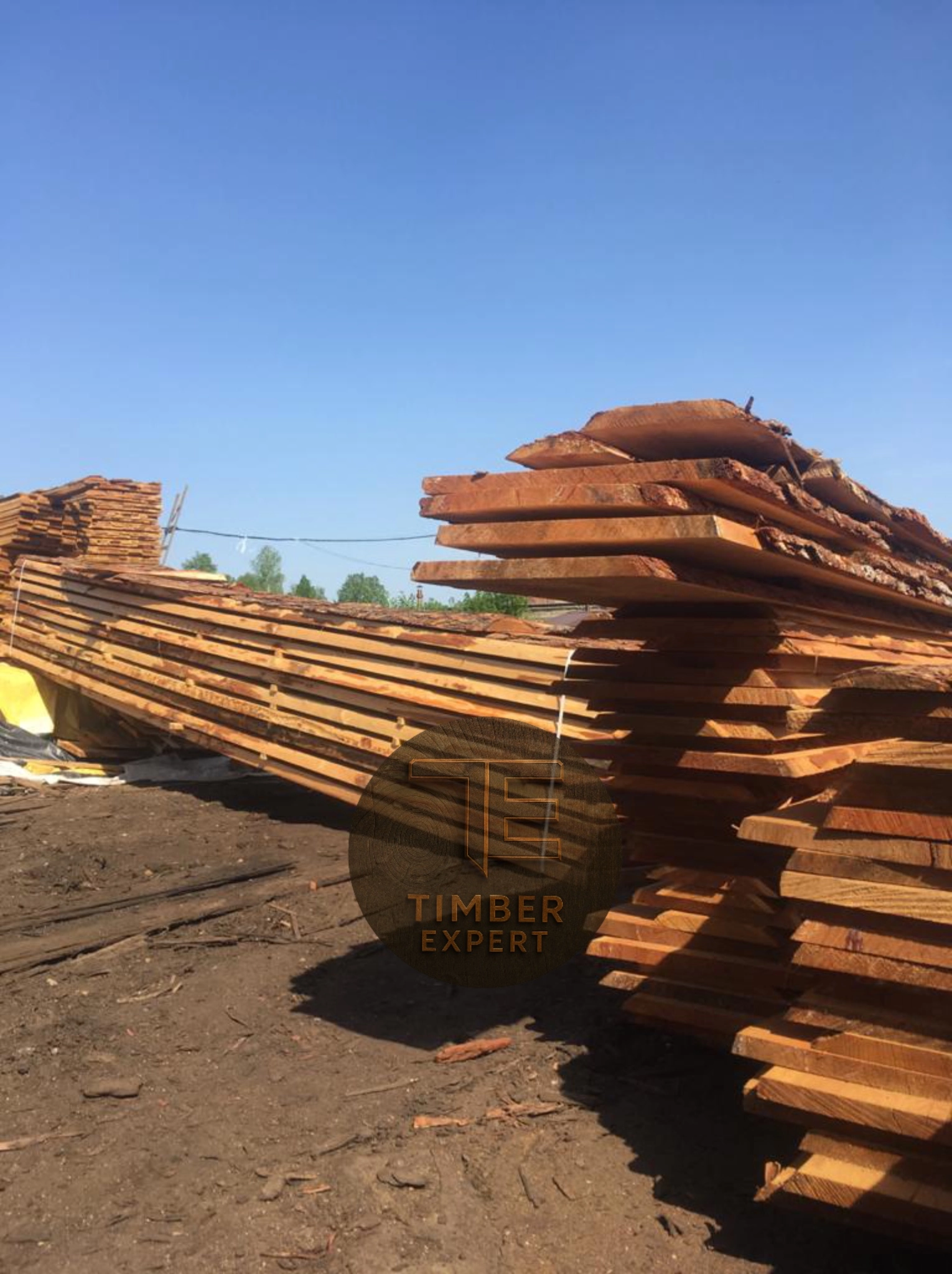
Because this is production.
Not decoration.
7. We are not required to conform to imagined expectations
We follow:
– GOST standards,
– SNIP construction norms,
– SP industrial rules,
– Labor and Industrial Safety Codes,
– Fire and Hazardous Facility regulations.
We do not follow:
– Instagram aesthetics,
– YouTube expectations,
– market-style “show me everything right now”.
Franz Kafka put it succinctly:
“You are free, and that is why you are lost.”
Freedom of imagination does not rewrite industrial laws.
8. Scheduled visit ≠ tour guide
Scheduling allows us to:
– prepare a safe route,
– assign an escort,
– avoid interfering with active production lines,
– ensure compliance with safety zones.
Try entering any serious industrial facility in the USA, EU, UAE, or Japan with the phrase:
“I’m here. Open the gate.”
You won’t get a polite refusal.
You’ll get a firm one.
9. Order is not a preference — it is the backbone of safe operations
If someone genuinely wants to visit:
– they schedule,
– they coordinate,
– they follow safety rules.
Safety is not something you “understand”.
It is something you obey.
LEGAL COMPENDIUM (Simplified for International Readers)
– High-risk industrial facility classification
– Restricted access by federal law
– Mandatory safety training for all entrants
– Fire & explosion safety regulations
– Corporate liability for unauthorized access
– Administrative penalties and suspension provisions
Compliance is not optional.
It is structural.
THE OFFICE IN MOSCOW (RUMYANTSEVO) — A NECESSARY CLARIFICATION
Many visitors trust online maps more than the actual information:
“Aha, I see the address — that must be the production site!”
No.
The address in Moscow, Rumyantsevo (yes, it’s on the Kiev Highway)
is an office. Only an office.
Not a warehouse.
Not a workshop.
Not a production facility.
Not a showroom.
Not a retail point.
Not a place to “come and see the wood”.
This location handles:
– contracts and documentation,
– project communication,
– logistics coordination,
– administrative processes.
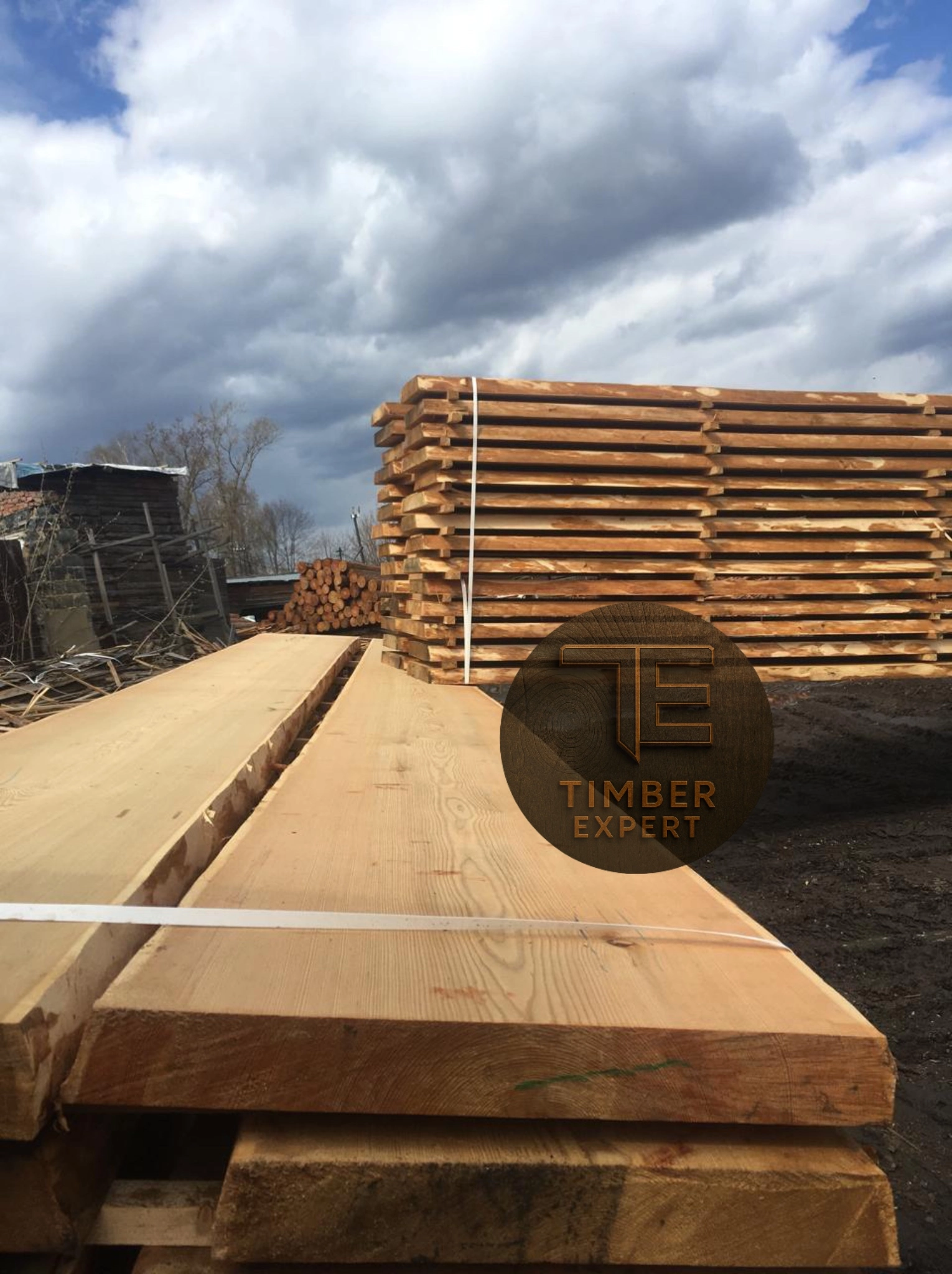
The production site — the actual machinery, timber, equipment, raw material and technical operations — is located in the Ruza district, not in Moscow.
Arriving at the Rumyantsevo office “to see the wood” is like arriving at an airport terminal to look for a train.
These are not obstacles. They are architecture.
They prevent:
– wasted time at gates,
– arriving at the wrong location,
– safety violations,
– operational disruptions.
Forewarned means protected.
Scheduled means expected.
Unannounced means the gates remain closed.
Not out of arrogance.
But out of responsibility.