
Valezhnik 2024: A Legislative Tangle Over Fallen Wood
Valezhniki: From Folk Wisdom to Legislative Battles
The Historical Roots of Valezhnik: From Survival to ControversyFor centuries, valežnik, or fallen branches and trees, has been more than just forest debris—it has been a lifeline for rural communities. In Russia, the tradition of gathering valežnik for firewood or cooking dates back to times when forests were communal resources. Peasants mastered the art of identifying suitable fallen wood, ensuring their homes remained warm through harsh winters. But what was once a shared practice has evolved into a contested issue, entangled in politics and law.
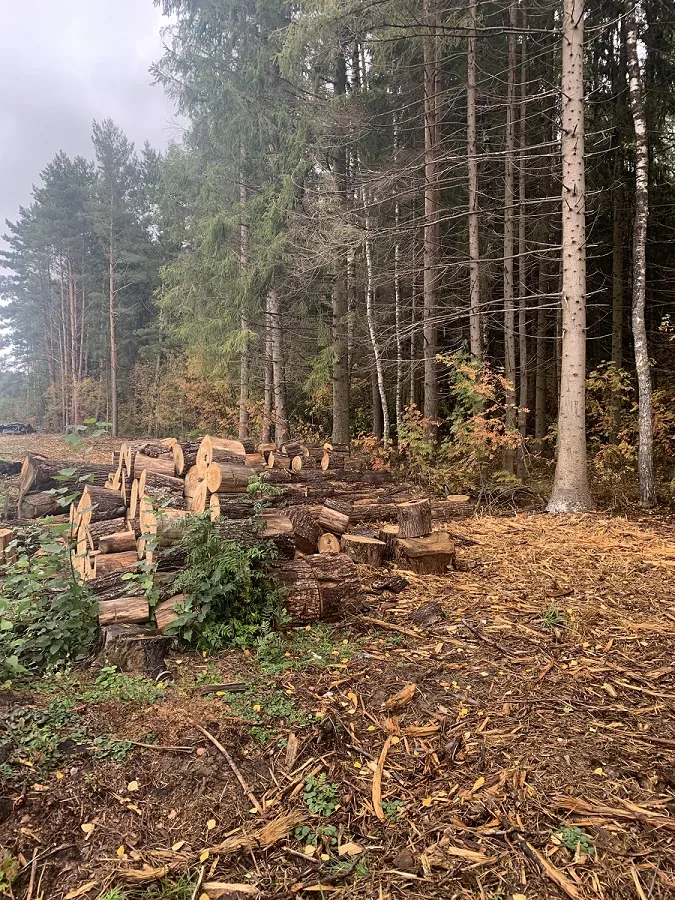
The shift began in the Russian Empire, where Peter the Great's forest legislation redefined forests as a strategic resource. Restrictions on valežnik collection emerged, requiring permits for even the simplest wood-gathering activities. By the Soviet era, valežnik regained some accessibility, especially in rural areas, though its legal status remained ambiguous. Fast-forward to 2018, valežnik once again became a legislative focus, spurring heated debates about its definition and regulation. Now, in 2024, the Russian State Duma continues to wrestle with this seemingly humble yet contentious resource.
Why Valezhnik is a Hot Topic in Modern LegislationThe significance of valežnik extends far beyond rural hearths. Today, it represents a complex intersection of environmental policy, economic necessity, and legal ambiguity. In 2024, the Liberal Democratic Party of Russia (LDPR) proposed amendments to the Forest Code, aiming to clarify valežnik’s legal definition and simplify its collection.
Their proposal defined valežnik as:
- Fallen tree trunks and branches not classified as logging residue.
- Trees that naturally died due to pests, storms, or other environmental factors.
Additionally, LDPR suggested allowing basic tools like axes and small chainsaws for valežnik collection. However, the Duma rejected the bill, citing existing regulations by the Ministry of Natural Resources. Critics argue that this decision leaves room for local disputes and confusion.
The Economic and Social Importance of ValezhnikValežnik is vital for both citizens and the forestry sector. For rural families, it provides a cost-effective and eco-friendly fuel source, particularly amid rising energy prices. Yet, the lack of legal clarity has led to conflicts involving citizens, foresters, and even law enforcement.
The forestry industry, traditionally focused on commercial timber, is now exploring secondary forest products like valežnik. With growing demand for sustainable practices, valežnik could play a role in energy solutions for both households and industries. However, without clear regulations, its potential remains underutilized.
The Historical Legacy of Forest Use and RegulationThe debate around valežnik is deeply rooted in Russia's forest management history. Under the Tsarist regime, forests were state-controlled, and valežnik collection required permission. During Soviet times, informal valežnik gathering was widespread, especially in rural areas. This era's lack of explicit laws allowed communities to rely on forest resources without significant interference.
Post-Soviet reforms brought stricter regulations, aligning with environmental and commercial interests. The 2018 amendments to the Forest Code aimed to modernize forest management but sparked debates over definitions and local enforcement. These unresolved issues continue to fuel legislative battles today.
Valezhnik and Environmental ImpactBeyond its socio-economic role, valežnik affects forest ecosystems. Fallen wood contributes to soil enrichment, provides habitats for wildlife, and supports biodiversity. Unregulated collection risks disrupting these processes. Striking a balance between local needs and ecological sustainability remains a key challenge for policymakers.
Current Legislative Challenges and Public SentimentPublic opinion on valežnik regulation is divided. Some view it as a common good, freely available for personal use, while others see it as state property, requiring oversight. Lawmakers face the daunting task of addressing these conflicting perspectives while considering environmental, economic, and legal implications.
The 2024 rejection of LDPR’s proposal reflects broader tensions in Russia’s forest policy. While the Ministry of Natural Resources insists existing regulations suffice, critics argue that ambiguity breeds local disputes and hinders efficient forest management.
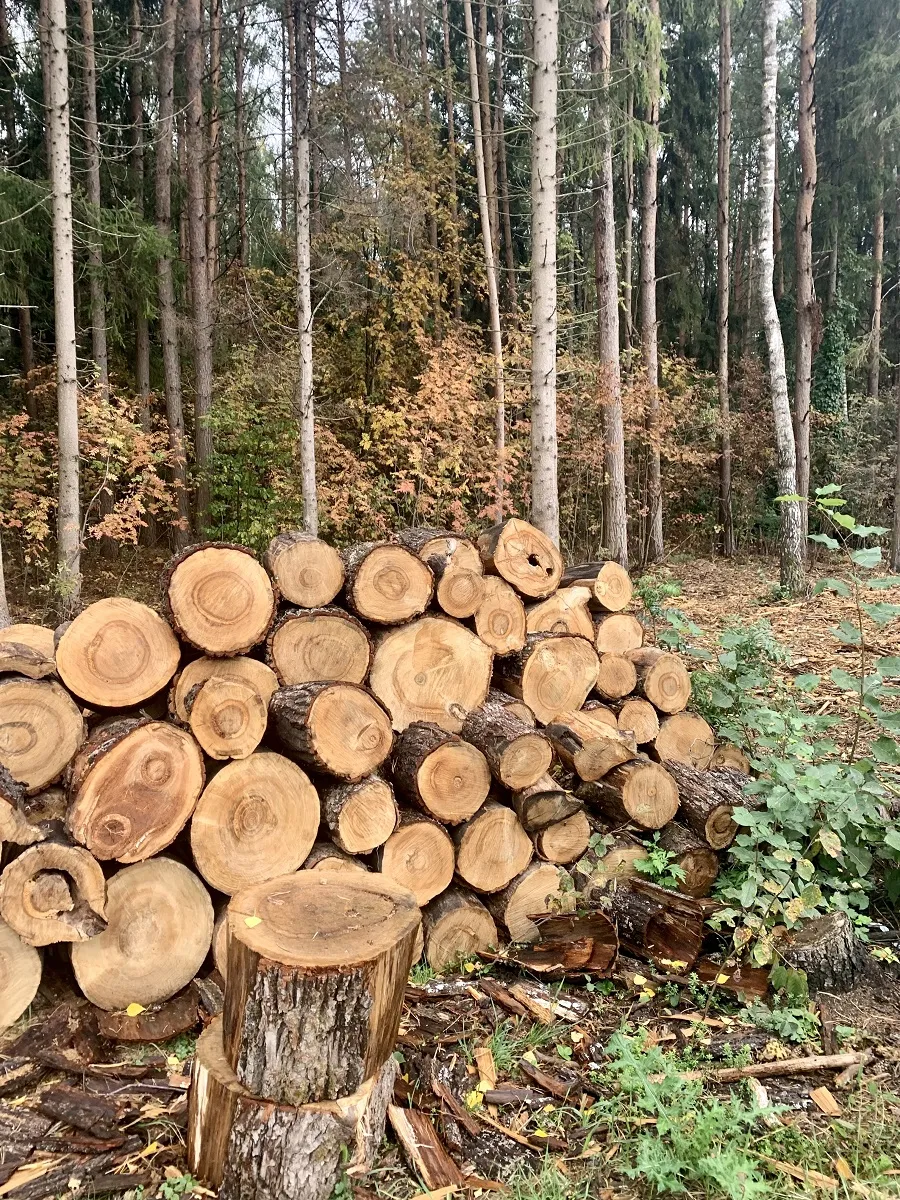
Conclusion: A Symbol of Russia’s Forest Policy DilemmaValežnik is more than just fallen wood—it symbolizes Russia's ongoing struggle to balance tradition, resource management, and modern governance. As the State Duma postpones decisive action, valežnik remains a source of both warmth and controversy, uniting rural communities and dividing policymakers.
In the words of Russian history, the valežnik debate reflects a broader narrative: how a seemingly simple resource can illuminate the complexities of state and society. Perhaps, one day, clarity will prevail—but for now, valežnik continues to ignite discussions from village squares to parliamentary halls.


