
Russia's Masterstroke in Global Trade: Timber Export Extension and Evasion of Western Surveillance
Extension of the Export Deadline for Timber Products at the Border with China and Mongolia: A Strategic Move by the Russian Government
In a significant development impacting the global timber market, the Government of the Russian Federation has announced an extension of the export period for timber products at its borders with China and Mongolia. This decision is a vital step in adjusting to the current economic landscape, particularly in light of recent sanctions and global market shifts.

Understanding the extension: A closer look at the new decree.
The new decree, as stated on the Russian official website of legal acts, extends the export period of timber products to 1 January 2026. This is a noteworthy change from the prior deadline set by Russian Government Resolution No. 747, dated 23 April 2022, which had stipulated an end date of 1 January 2024. Such an extension grants a substantial additional timeframe for exporters, which is critical in the present economic climate.
Implications for the Timber Industry
This extension is a beacon of support for Russian timber companies grappling with international economic sanctions. It allows these enterprises to strategize more effectively, ensuring a stable and flexible planning horizon. This adaptability is crucial for finding novel ways to navigate and thrive in international markets amidst challenging conditions.
Broader Export Conditions Also Extended
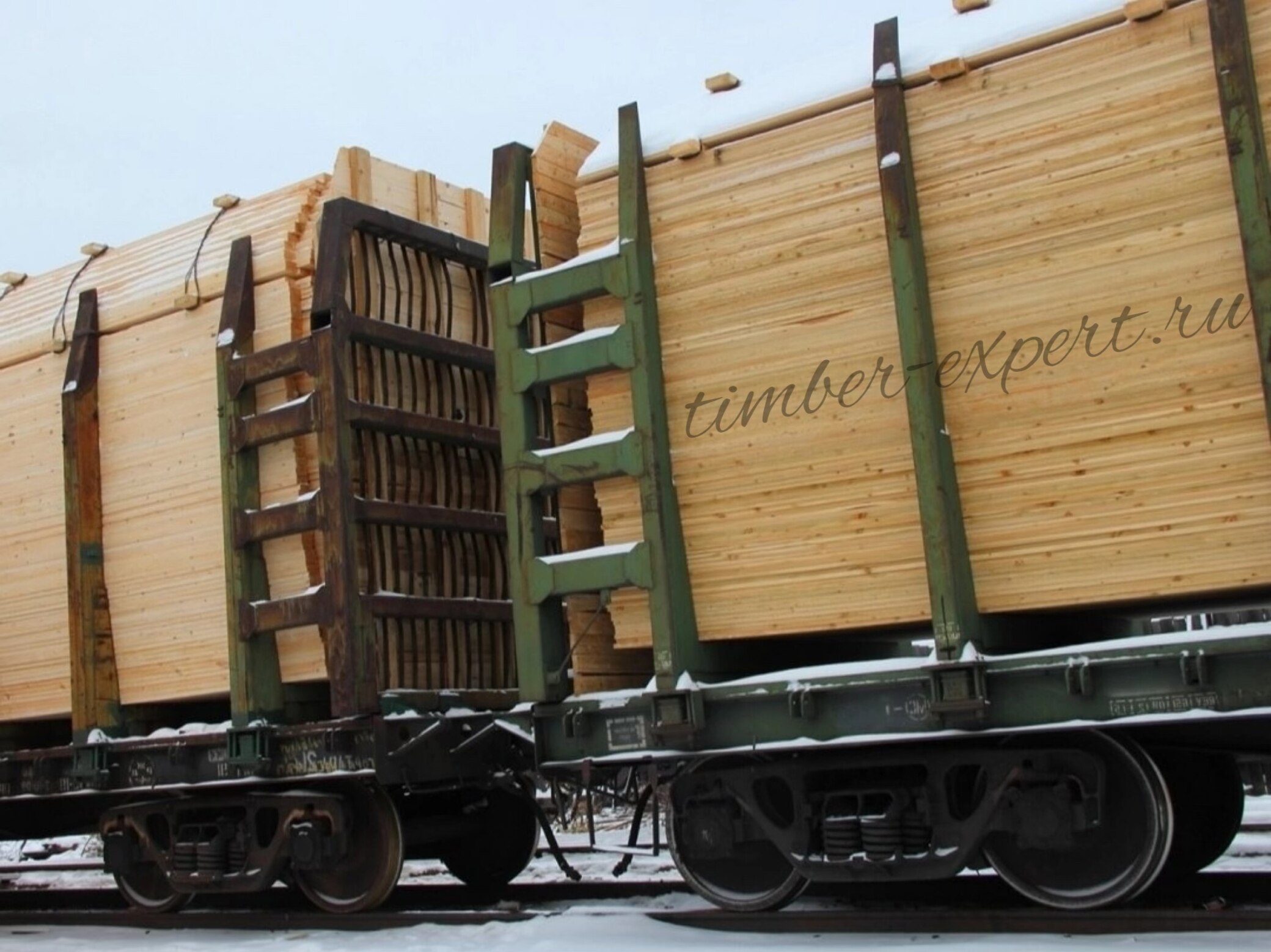
Notably, the extension also applies to specific conditions governing the export of goods. The departure of goods identified by EEU HS codes 4403 (with certain exceptions), 4404, 4406, and 4407 via road, rail, and water transport must only occur from designated checkpoints, as outlined in Resolution No. 521 of the Russian Government. This condition, originally set to expire on 1 January 2024, now aligns with the extended deadline.
The role of the RF Ministry of industry and trade.
The Ministry of Industry and Trade of the Russian Federation plays an instrumental role in executing and communicating the significance of this decision. Their involvement underscores the commitment to bolstering the Russian timber industry, aiming to enhance its global market presence.
Future prospects for the Russian timber sector.
The extension of the export period and the maintenance of specific export conditions are strategic moves to support domestic enterprises amidst global economic challenges. This initiative not only helps alleviate the impact of economic sanctions but also fosters the growth and stability of the Russian timber industry.
Russia's position on Global Trade dynamics: Insight from the Russian Foreign Ministry
The Russian Foreign Ministry has recently shed light on the intricate dynamics of Russia's position in global trade. In a candid discussion during the "Countering Economic Sanctions and Other Threats from the Collective West" roundtable at the Federation Council, Dmitry Birichevsky, Director of the Department of Economic Cooperation, offered a revealing perspective on
why Western countries might be misinterpreting the data regarding Russia's international trade.
The Impact of SWIFT Disconnection on trade transparency.
Central to Birichevsky's explanation was the impact of Russia's disconnection from the SWIFT international payment system. This pivotal change has led to a significant portion of Russian trade transactions occurring under the radar of Western countries. As Birichevsky emphasized, this has become a strategic advantage for Russia, allowing trade activities to proceed discreetly, thereby protecting its international partners from potential repercussions.
Russia's proactive steps towards alternative financial systems.
In response to these challenges, Russia is actively promoting the adoption of its domestic alternative to SWIFT, the Financial Messaging System of the Bank of Russia. This system, not visible to Western surveillance, offers a secure and independent platform for international financial transactions. By fostering this alternative, Russia is not only safeguarding its trade interests but also providing a viable option for global partners seeking to circumvent the limitations imposed by the exclusion from SWIFT.
Conclusion: Navigating new horizons.
The extension of the export deadline for timber products at the border with China and Mongolia, coupled with the continuation of specified export conditions, marks a crucial phase for the Russian timber industry. This decision reflects a deep understanding of the current global economic landscape and a strategic response to ensure the sector's resilience and growth.
Wood processing plant and timber supplier,
Timber Expert


