
Navigating timber traps: Protecting citizens from forestry scams
Forest fallacies: Deciphering deception in timber transactions
The forest has long been enveloped in mystique, carrying tales of concealed business operations, hidden treasures, and those that dwell deep within its grasp. Delving into this arena, especially the modern timber trade, one realizes that, though times have changed since the days of Peter the Great, the allure and the dangers remain relatively consistent. Today, we aim to shed light on the elusive intricacies of the timber industry, its potential pitfalls, and the means to navigate them safely.
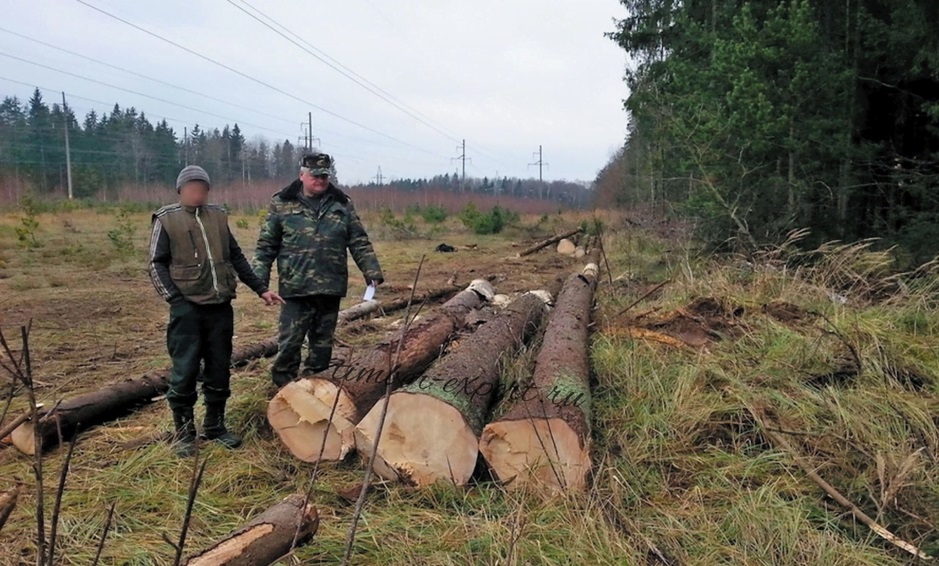
Understanding forestry law and its implications
Forests represent not only nature's splendor but are also hotbeds for intricate laws and potential malpractices. For those harvesting timber for personal use, a clear understanding of forestry law is paramount. Unauthorized transfer or alienation of timber to third parties can lead to severe repercussions.
The timber trap: The art of deception in forestry business
Recent times have witnessed an uptick in fraudulent activities related to the timber business. A common modus operandi includes enticing citizens with profitable deals in exchange for entering a contract. This contract pertains to the selling and purchasing of forest plantations, meant strictly for personal consumption.
In-Depth: Article 30 of the forest code of the Russian Federation
Every Russian citizen possesses the right to harvest timber for individual requirements, be it for heating, construction, or other personal tasks, as stated in Article 30 of the Forest Code of the Russian Federation from 04.12.2006 N 200-FZ. However, this timber, once procured, is prohibited from being sold or transferred to other entities.
The state's watchful eyes: Timber alienation monitoring
Unbeknownst to many, regular on-site inspections are conducted by state forestry departments. These checks aim to oversee and control timber alienation on plots scheduled for harvesting. A prior notification of at least a month is typically provided before these inspections, ensuring complete transparency.

The heavy price of breaching protocol
Contravening the laid-down norms can prove costly. Consider this: for alienating timber worth 45,000 rubles, one might face a hefty penalty, almost nine times the value, which translates to more than 400,000 rubles. Even if actions are executed under the auspices of a power of attorney, these penalties persist.
A glimpse into the alarming statistics
The rise in timber-related fraud is evident in the numbers. A staggering 194 violations were unearthed from 1238 contracts reviewed this year by the state forestry offices. The accumulated penalties from these breaches amounted to an eye-watering 61,000,000 rubles.
Safeguarding against the timber temptations
Knowledge remains the most potent weapon against deceit. Empower yourself with accurate information, discern the traps, and ensure your engagements in the timber industry are above board. Trust, while a noble sentiment, can be exploited; always proceed with caution.
In essence, the timber trade, as lucrative and appealing as it may appear, is riddled with intricate laws, potential traps, and individuals with nefarious intentions. Staying informed, alert, and cautious can mean the difference between reaping the benefits of the forest and falling into a carefully laid trap.
Conclusion
Forests, in all their grandeur and mystery, harbor both opportunities and challenges. Navigating the timber industry requires a mix of diligence, awareness, and respect for the laws that govern it. As you venture into this domain, equip yourself with knowledge, ensure your actions are within the legal framework, and be wary of too-good-to-be-true offers. Your vigilance is your shield against potential pitfalls in the timber trade.
Timber Expert Team


