
UN Seminars Dive into Russian Forestry Experience
Dynamics of Timber Products Production in January-September 2023: A Comprehensive Overview.
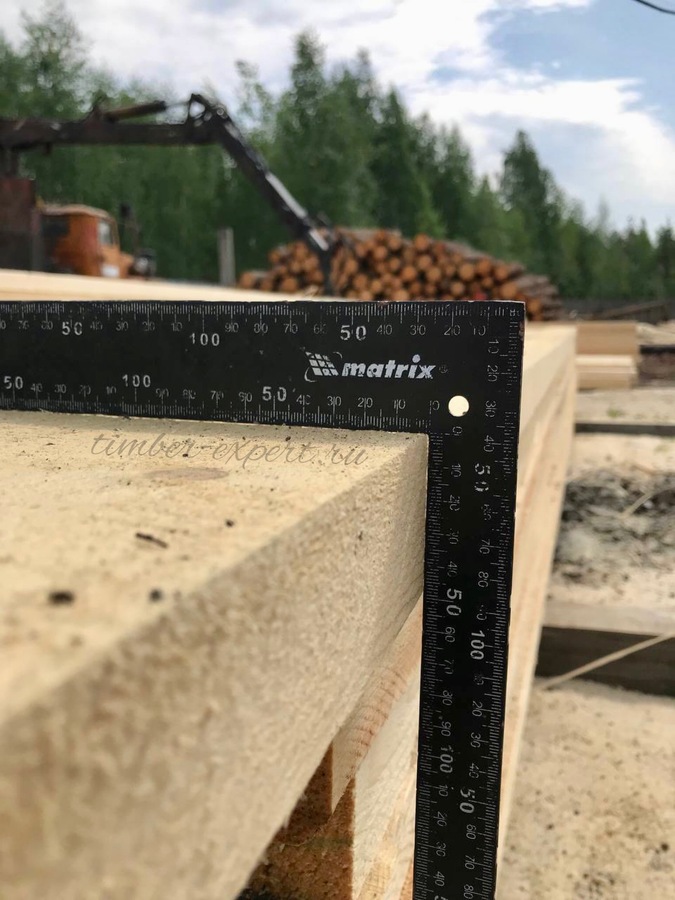
The world of timber products is intricate and ever-evolving, and the past year has shown no exception. Based on data sourced from Rosstat, we delve deep into the intricate details of Russia's timber product production trends from January to September 2023, offering insights and comparisons with the previous year.
Sawn Timber: An Unexpected Downturn
In the first nine months of 2023, sawn timber saw a decline. A total volume of 22 million m³ was recorded, marking a dip of 6.1% from the same period in 2022. The factors leading to this drop are multifaceted, involving both internal and external market variables.
Pellets: A Significant Production Decline
Pellets experienced a stark drop in production. Falling 34.2% to 1.066 million tonnes, it's evident that the pellet sector faced substantial challenges. Such a decline calls for introspection to understand the underlying causes and potential remedies.
Plywood: A Dip in Production
Plywood remained not far behind in experiencing production challenges. With a decline of 6.3% year-on-year, the total production volume was registered at 2.423 million m³.
Fibreboard Variants: A Minimal Decline
When it comes to fibreboard, which includes MDF/HDF and flooring, the reduction was marginal. The total volume stood at 509 million w m², which was a 2.8% decrease compared to the previous year.
Particleboard's Positive Stride
Contrary to the above trends, particleboard (inclusive of OSB) demonstrated resilience. The production figures rose by 10%, tallying up to 8.573 million w m³. This suggests adaptability and potential new market avenues for particleboard.
Pulp and Paper: A Minor Setback
Both pulp and paper and board sectors experienced downturns. Pulp production dropped by 3.7%, resulting in a total of 6.358 million tonnes. On the other hand, paper and board observed a 3.4% decrease, accumulating a volume of 7.378 million tonnes.
A Closer Look: September 2023 vs. September 2022
September 2023 brought a mixed bag of outcomes when juxtaposed with its 2022 counterpart:
- Sawn timber: Experienced an upward tick, growing by 6.8%.
- Plywood: A significant rise was noted, boasting an increase of 21.8%.
- Fibreboard: Joined the growth trend, marking an increase of 28.4%.
- Particleboard: Also in the green, with a 19.2% production boost.
- Pulp: Noted a moderate growth of 1%.
- Paper and paperboard: Showed a modest increase of 0.6%.
- However, pellets remained an outlier, recording a decline of 3.3%.
Month-on-Month: September 2023 vs. August 2023.
When comparing figures from September 2023 to August 2023, a slight reduction in most indicators was evident:
- Lumber: Experienced a dip of 4.5%.
- Pellets: Declined by 0.8%.
- Plywood: Saw a reduction of 1.7%.
- Particleboard: Reduced by 0.8%.
- Cellulose: Declined by 0.5%.
- In contrast, fibreboard experienced a minor boost of 0.1%, and paper and paperboard marked an impressive growth of 2.4%.
Timber Industry's Adaptive Nature.
To sum it up, while there were fluctuations in the dynamics of timber products production in January-September 2023, the timber industry remains resilient. The industry's adaptability and prowess in meeting changing market demands are commendable, suggesting a promising future.
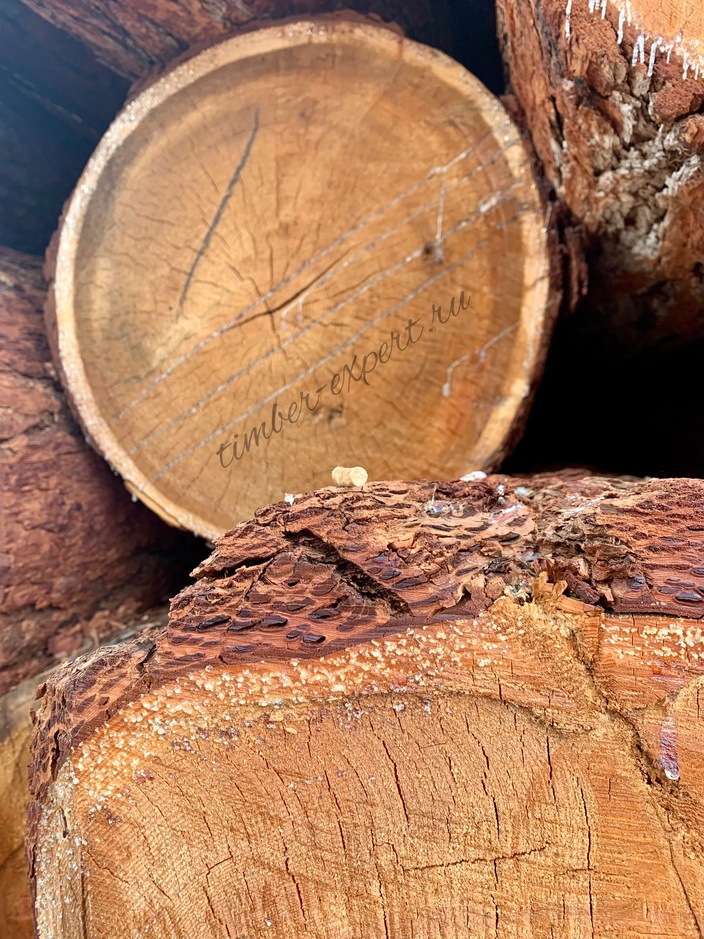
Insights from the United Nations Seminars: A deep dive into Russian forestry experience.
The vast realm of forestry, which forms an integral backbone to our global ecosystem, recently took center stage at a series of seminars under the aegis of the UN Economic Commission for Europe and the UN Food and Agriculture Organisation. These seminars served as platforms for experts from diverse regions, such as the Caucasus, Eastern Europe, and Central Asia, to discuss and deliberate on pivotal forest management issues.
An Epicenter of Knowledge: The Forest Information Week.
The Federal Forestry Agency's press center highlighted the key activities that took place during the Forest Information Week. Representatives from the aforementioned regions came together to brainstorm and analyze challenges they face in utilizing, systematizing, and interpreting forestry data. This data plays a crucial role in strategic planning, groundbreaking research, and crafting international reports. Additionally, the seminars underscored the invaluable potential of multilateral sectoral cooperation.
Russia's Forestry Contributions on the Global Stage.
A significant highlight was when the Russian delegation showcased their expansive experience in forest management activities. This rich knowledge is set to be incorporated into the upcoming international report, aptly titled the "Global Forest Resources Assessment". This comprehensive report promises a deep dive into the state and health of global forest resources, shedding light on trends, challenges, and potential solutions.
Vladimir Dmitriev, the esteemed head of the Department of Science and International Cooperation of Rosleskhoz, provided insights into the intricacies of crafting such reviews. He elucidated that while the sheer scale of these reports is a challenge in itself, the varying methodologies adopted by different countries add another layer of complexity.
"The intricacies of crafting international reviews stem not just from their vast scale but also from the marked differences in methodologies across countries. Therefore, convening such meetings becomes imperative to align approaches and disseminate knowledge. It's worth mentioning our recent collaboration agreement with the Kyrgyz Republic to bolster sectoral cooperation," Dmitriev expressed.
Bridging Borders: Russia and Kyrgyz Republic.
In a move that underscores the importance of international cooperation in forestry, a landmark memorandum of understanding was signed last week. The signatories included Alexander Kozlov, the Minister of Natural Resources and Environment of the Russian Federation, and Askarbek Dzhanybekov, the Minister of Agriculture, Water Resources and Regional Development of the Kyrgyz Republic. This pivotal agreement promises to usher in an era of enhanced collaboration, knowledge exchange, and shared growth in the forestry sector.
Conclusion: A Global Commitment to Forests.
As the world grapples with environmental challenges, the importance of forests cannot be understated. The recent UN seminars underscored the global commitment to understanding, preserving, and nurturing our forests. Through international collaborations, shared experiences, and aligned methodologies, we can hope for a future where our forests continue to thrive and play their indispensable role in the planet's ecological balance.
Wood production & timber supplier Timber Expert.


