
Russian Export Center unveils new measuring methodology for sawn timber
Advances in Lumber Measurement: Shaping the Future of Exports
In the fast-paced world of global trade, staying ahead of technological and economic trends is crucial, especially in the export sector. This is particularly true in the lumber industry, where accuracy and efficiency are paramount. A significant development in this field has emerged from Novosibirsk, marking a turning point in lumber export methodologies.

Innovations in lumber measurement at the Siberian Customs Administration meeting.
The Siberian Customs Administration hosted an important meeting on November 29 to discuss new lumber measurement methodologies. Attended by about 80 timber industry professionals from the Siberian Federal District, including experts and industry leaders, this meeting was a focal point for change. Among the attendees was Timber Expert, a company with over 15 years of experience in exporting lumber and kiln-dried, planed products made of Siberian larch. The discussion centered on advanced measurement techniques that promise to enhance the quality and quantity of lumber exports.
Transforming the timber industry.
The timber industry in the Siberian Federal District, predominantly focused on sawn timber, which accounts for 95% of exports, is witnessing a significant shift. The new measurement methodologies are set to open new possibilities for companies seeking to increase their operational efficiency and expand market reach.

Customs adaptation to new methodologies.
Customs authorities are swiftly adapting to these new measurement techniques. An updated methodology, implemented from November 28, replaces old techniques with modern approaches, ensuring better alignment with current industry needs.
Support for exporters through education and consultation.
The meeting also highlighted various initiatives aimed at supporting exporters, such as educational seminars and consultations. These efforts are designed to streamline export processes and enhance international trade volumes.
Insights from industry experts.
The meeting featured insights from Timofey Bazhin, Head of Customs Control Organization Service of STU, and Elena Bragova, Head of the Russian Export Center office in Novosibirsk. They emphasized the importance of the new measurement methodologies in supporting exports, especially in the face of new economic challenges.

Key changes in measurement methodologies.
The main changes presented at the meeting involved new methods for measuring the moisture content of sawn products and phasing out outdated tools like calipers. This shift promises greater accuracy in assessing product quality and quantity and a more efficient classification process for customs control.
Training and information for market participants.
Educational seminars and meetings are crucial in informing and training exporters. These activities are focused on simplifying procedures and minimizing risks, contributing to more efficient exports and increased shipment volumes.
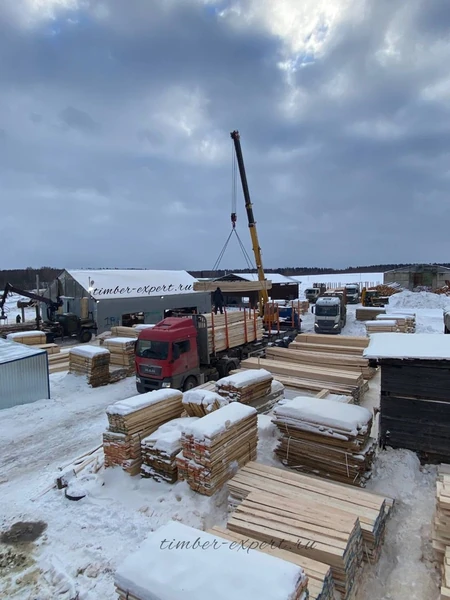
Adapting to changes in the economic environment.
In response to international sanctions and economic changes, supporting exporters has become increasingly important. The Russian Export Center is taking active measures to facilitate the export process, providing webinars, consultations, and assistance in building international relationships.
IMPORTANT! In the realm of forestry and woodworking, the precision and understanding of dimensions and measurements hold paramount importance. This is especially true for planed products, where even a millimeter's deviation can significantly affect the product's final quality and functionality. The article titled
"Board in Numbers: When Millimeters Raise Questions and Woodworking Provides Answers" delves into this critical aspect.
The era of abundant information, fueled by media and bloggers, often brings a spotlight on the minute differences in products like planken, decking, and other woodworking items. However, it's crucial to recognize that not all information circulating is rooted in deep understanding and accurate data. This superficial reporting can lead to misconceptions and misinformation about the standards and quality in woodworking.

When bloggers and media personalities focus on trivial details without a thorough understanding, it creates a risk of propagating wrong standards and perceptions about product quality. These misconceptions can not only spark baseless debates but also lead to serious manufacturing errors.
Our article aims to address these challenges head-on. It's not merely about highlighting the variations in board sizes, such as those in larch decking, across different manufacturers. More significantly, it emphasizes the necessity of comprehending true standards and recognizing authentic product quality in the woodworking industry. This article endeavors to equip readers with a comprehensive understanding of the criticality of precise measurements and standards in woodworking, thereby helping to avoid fallacies and errors in this specialized field.
Conclusion by Timber Expert
Thus, the update in lumber measurement standards and export approaches signifies profound transformations within the industry. These changes are not merely about enhancing company efficiencies; they open doors to broader opportunities in global trade. It's particularly noteworthy that these innovations contribute to creating clearer, more effective, and profitable export conditions, paving new paths for all market participants.
Exporting is the lifeline of any country's economy, including in the realm of forestry and lumber. It serves not only as a source of foreign currency revenue but also as a key element in economic growth and development. For countries rich in forest resources, timber export becomes a crucial component of their economic strategy.
The expansion of lumber exports fosters not just increased market opportunities, but also the creation of new jobs, simultaneously supporting the growth of related sectors like transportation and logistics. It also significantly contributes to enhancing the technological level and quality of production, as international standards are typically higher.
Lumber exports play a vital role in maintaining the balance of external trade and strengthening a country's national currency. They also stimulate investments in forestry, promoting sustainable management of forest resources and environmental protection.
In conclusion, the export of lumber exerts a profound and multifaceted positive impact on a country's economy and social fabric, contributing to its comprehensive development and successful integration into the global economic community.
With best wishes and always open to collaboration,
the Timber Expert team.


