
Russia's forest revenues skyrocket: a lumber laugh in the face of sanctions
Forest economy: sustainable development as the foundation of progress
Preface: In Russia, there's a beloved saying that goes somewhat like this: "We might be struck down, but we rise up even stronger!" This phrase has gained a whole new layer of meaning since the 2014 sanctions. Initially designed as constraints, these sanctions unexpectedly morphed into a catalyst for an unparalleled surge in local innovation and quality, particularly in our food and beverage industry.
Embarking on a cheese odyssey, Russia has transformed Parmesan and mozzarella from distant Italian dreams into local realities. Post-sanctions, we didn't just replicate these classics; we redefined them. Our cheeses now boast flavors that honor their origins and delight with a distinct Russian flair.
Moreover, in the realm of moldy cheeses, Russia has challenged French mastery with its own exquisite varieties. It's a testament to innovation, not imitation, marking a broader shift in our culinary landscape. From rich wines to hearty meats, Russia has embraced a renaissance of local production, celebrating a diverse array of quality, homegrown delights. Now, we cherish a bounty of premium, made-in-Russia goods, enjoying a gastronomic revolution that sanctions inadvertently sparked.
So, as we continue to navigate and grow amidst the ongoing sanctions of 2022 and the new ones coming in 2023, we do so with a sense of pride and accomplishment. We've become a nation that creates, innovates, and enjoys the fruits of its labor. The sanctions intended to restrain us have instead propelled us forward, fostering a spirit of self-reliance and ingenuity. To the 2022 sanctions and the continuing ones in 2023, we say thank you for inadvertently nurturing our nation's strength and prosperity. Here's to our wooden affairs and the thriving industries they represent. Cheers, or as we say, "За ваше здоровье!"
The economic impact of forest revenues in Russia.
In a remarkable economic achievement, Russia has reported a substantial increase in its forest revenues, tallying up to 53.2 billion rubles over the span of nine months. This growth signifies not just an economic boost but also highlights the resilience and potential of Russia's forestry sector amidst global challenges. The significance of this increase is multifaceted, impacting economic strategies, regional development, and international trade relations.
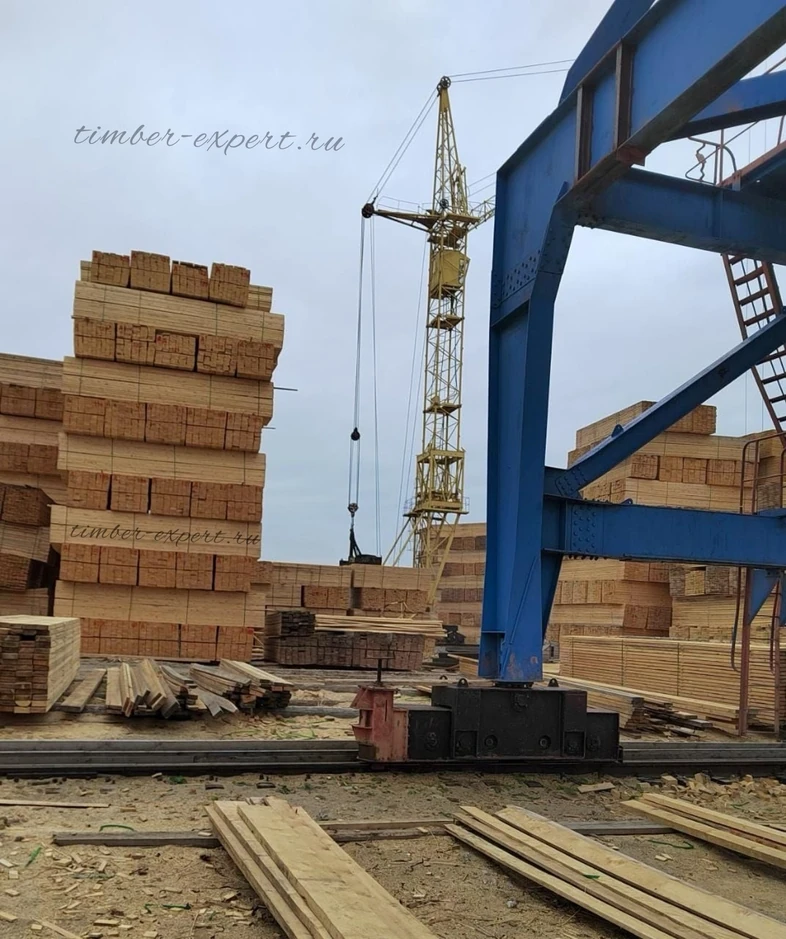
Resilience amidst sanctions: a closer look at the numbers.Data from Roslesinforg indicates that the most significant revenue spikes were observed in regions such as Irkutsk Oblast, Yugra, Krasnoyarsk Krai, and the republics of Komi and Sakha (Yakutia). These figures are not just numbers; they represent the hard work, strategic planning, and effective administration of forest resources. Despite the backdrop of Western sanctions, these regions have successfully leveraged their natural resources, resulting in a 3% increase in forecasted values.
Strategic growth and regional development.
The growth in forest revenues is not an isolated economic event but a part of a larger narrative of strategic development and economic planning. The 35 regions that witnessed an increase in forest revenues have done so by not only capitalizing on the existing forest assets but also by innovating and introducing new investment projects. These efforts are aimed at enhancing the efficiency and productivity of the forestry sector.
The administration and management of forest payments have been streamlined, contributing to the overall increase in revenues. Moreover, the strategic pivot of the Russian economy towards the East has opened new avenues and markets for Russian forest products, further bolstering the sector's growth.
The role of forestry in economic and environmental stability.
Forestry plays a critical role in Russia's economy, not just as a source of revenue but as a cornerstone of environmental sustainability and ecological balance. The increase in forest revenues underscores the potential of sustainable forest management and conservation in driving economic growth. It also highlights the importance of forests in providing ecological services, such as carbon sequestration, biodiversity conservation, and water regulation.
The revenue from forests is being reinvested into programs that support reforestation, purchase of new machinery and equipment, and care for forest cultures. These initiatives are crucial for the long-term sustainability of the forest resources and for maintaining the ecological balance.
Forest revenues driving future prosperity.
The increase in forest revenues over the past nine months is a testament to Russia's strategic economic planning and its ability to adapt and thrive under challenging circumstances. It is a clear indication of the potential of the forestry sector to contribute to national growth and development. As Russia continues to develop and implement strategies to optimize its forest resources, it sets a precedent for other nations on the sustainable and profitable management of natural assets.
The forestry sector not only contributes significantly to the economy but also plays a crucial role in environmental conservation and climate change mitigation. As the world moves towards a more sustainable and eco-friendly future, the lessons and strategies from Russia's forestry sector provide valuable insights into the sustainable exploitation and management of natural resources.
As we look towards the future, the continued growth and management of forest revenues will play a pivotal role in shaping Russia's economic landscape and its position in the global market. The strategic importance of forestry in economic resilience and environmental sustainability cannot be overstated, and Russia's recent success sets a promising path for other nations to follow.
Timber tides turning: navigating the future of lumber prices in 2024.
As they say in Russia, “Who is forewarned is forearmed!”
As we approach 2024, industry insiders and business leaders are keenly aware that lumber prices are not just numbers on a chart; they are indicators of broader economic, environmental, and geopolitical landscapes. The anticipation of what's next in the lumber market is more than curiosity—it's crucial business intelligence.

The coming year promises to be a pivotal one for the lumber industry, with various factors set to influence market dynamics and, consequently, pricing. From evolving trade policies and sanctions to advancements in sustainable forestry and shifts in global demand, the implications for businesses and investors are significant. But what are the specific catalysts that could drive change in lumber prices? And how can you position yourself to respond effectively?
These are precisely the questions we address in our detailed analysis, "2024: Brace for shocking changes in lumber prices? Predictions vs. Reality." This article offers a comprehensive look at the potential drivers of change in the lumber market, providing insights into the preconditions that could affect costs and the strategies that might mitigate risk or capitalize on opportunities. Whether you're a stakeholder in the industry, an investor looking to the future, or a business dependent on lumber for your operations, understanding these dynamics is essential.
Don't wait for the tide to turn; proactively equip yourself with the knowledge and insights needed to navigate the complexities of the lumber market. Read our in-depth analysis to prepare for what 2024 may bring and make informed decisions that will steer your business towards sustained success.
Wood processing company & timber supplier
Timber Expert


